
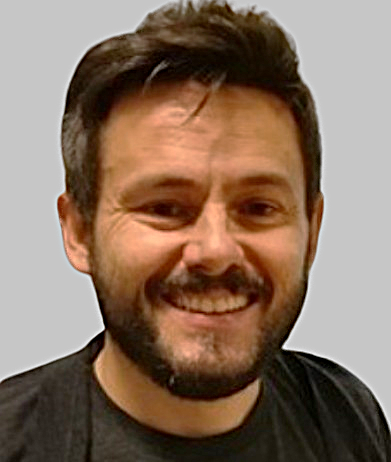
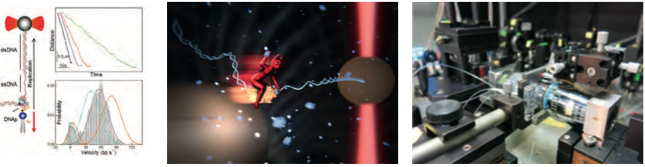
Borja Ibarra received his PhD. in Molecular Biology from Universidad Autónoma Madrid in 2001. He made the ‘leap’ to molecular biophysics as a postdoctoral fellow in Prof. Carlos Bustamante lab at UC Berkeley.

B.S in Experimental Sciences, 2019. Universidad Rey Juan Carlos. M.S in Computational Biology 2019, Universidad Politécnica de Madrid. Her work is focused on understanding the stoichiometry and dynamics of the human mitochondrial DNA replication machinery.

B.S in Allied Healthcare, 2018. University of North Texas, USA. M.S in Biophysics 2023, Universidad Autónoma Madrid. Brishti investigates the coordination of the chaperonin system Tid1/Mortalin withthe human mitochondrial replisome.
B.S in Biochemisrty 2022, Universidad Autónoma Madrid. M.S in Biophysics 2023, Universidad Autónoma Madrid. Lyra is currently studying the effect of temperature on the real-time kinetics of the human mitochondrial replisome..
.S in Nanoengineering and Nanoscience National University of Mongolia 2022.
M.S in Chemical NanoEngineering 2024, Erasmus Mundus. Narka is working on elucidating the conformational dynamics of synthetic molecular switches.
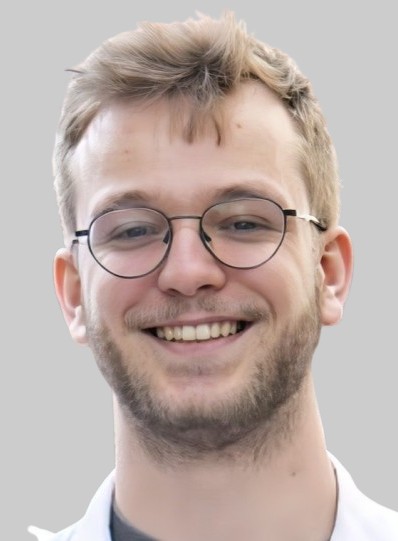
PhD in Science, 2025. University of Liege, Belgium. Maxime’s research focuses on the single-molecule dynamics of synthetic molecular shuttles.
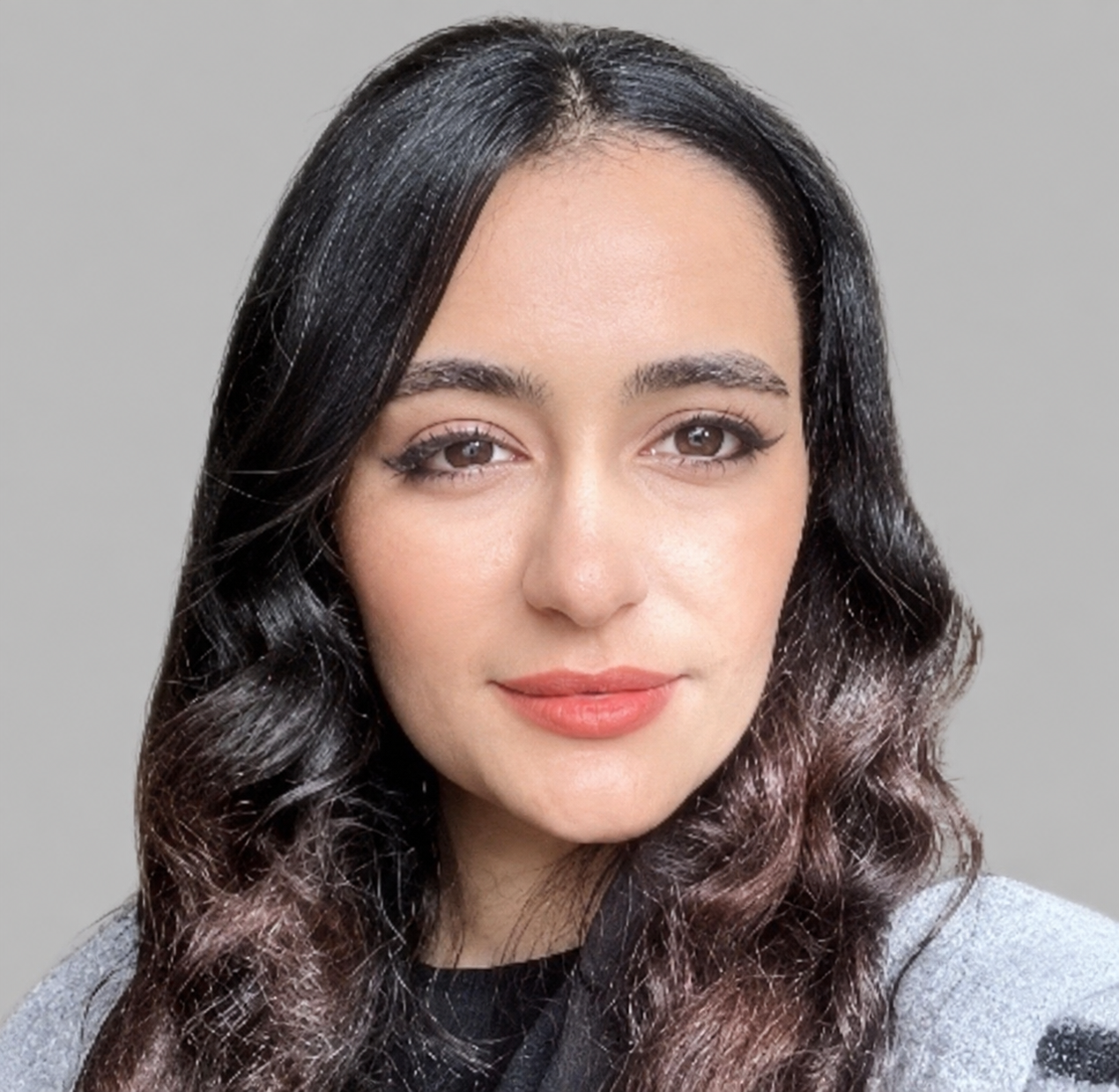
M.Sc. in Physics 2025. Institute for Advanced Studies in Basic Sciences – Zanjan, Iran. Zahra is investigating the problem of RNA folding and RNA-protein interactions.